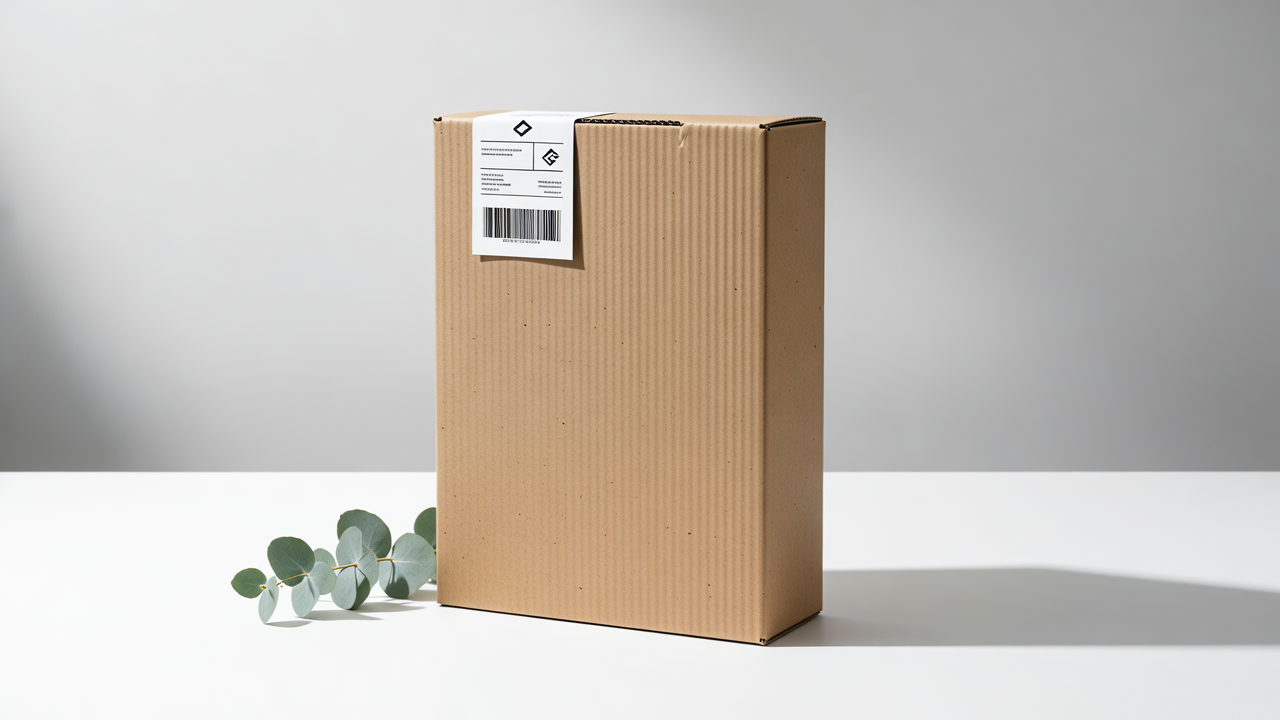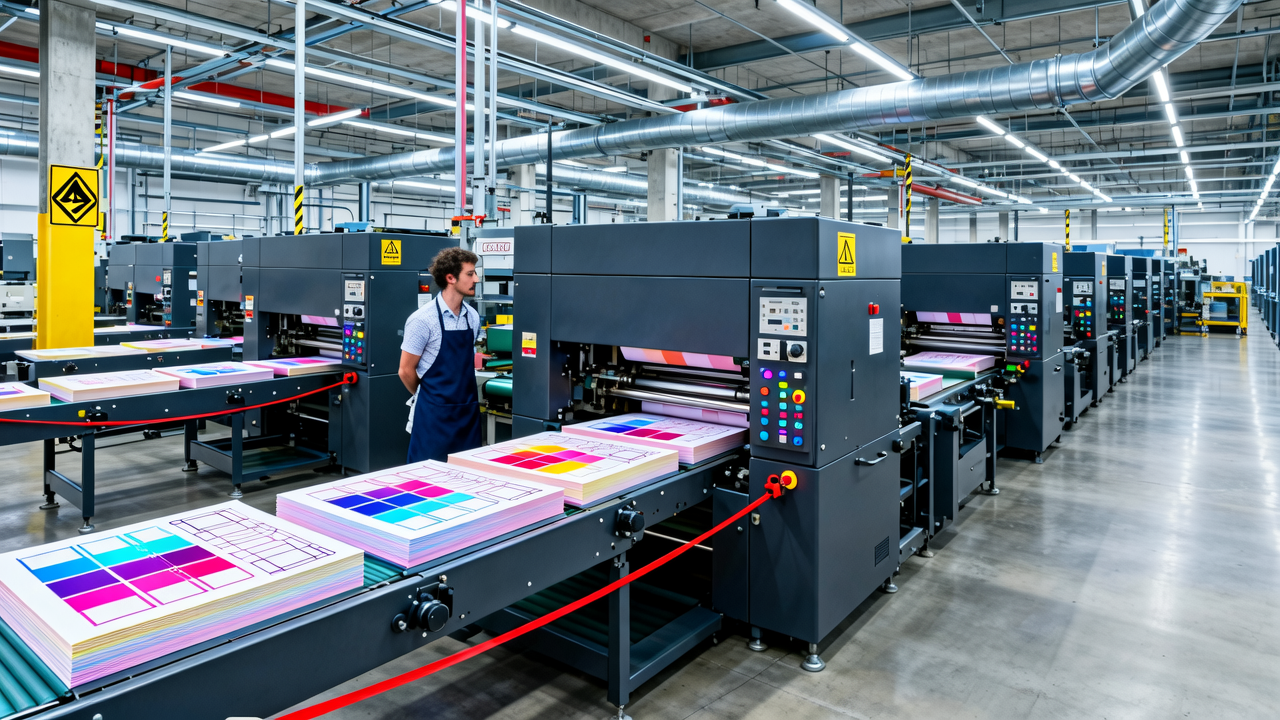
Two Printing Technologies, One Goal
Both offset and digital printing can produce stunning results on paper packaging, but they differ significantly in cost structure, setup requirements, and ideal use cases. Understanding these differences helps you make the right choice for your project.
Offset Printing
How it works: Ink is transferred from plates to a rubber blanket, then to the paper surface. Each color requires a separate plate.
Strengths: Unmatched color consistency, Pantone matching, superior coverage on textured papers, most cost-effective for large runs.
Best for: Orders of 1,000+ units where color precision is critical (luxury cosmetics, premium food brands, corporate gifting).
Digital Printing
How it works: Toner or inkjet technology prints directly onto the paper without plates. Each print can be different.
Strengths: No plate costs, fast turnaround, variable data printing, low MOQs (as low as 100 units).
Best for: Short runs, prototypes, personalized packaging, test markets, seasonal promotions.
Cost Comparison
For a typical custom printed box, the break-even point between offset and digital is approximately 500-1,000 units. Below that, digital is more economical. Above that, offset's per-unit cost advantage grows with volume.
Our Recommendation
At XINJUYA, we offer both technologies. We often recommend starting with digital printing for prototyping and market testing, then transitioning to offset for mass production. This approach minimizes risk while maximizing quality at scale.