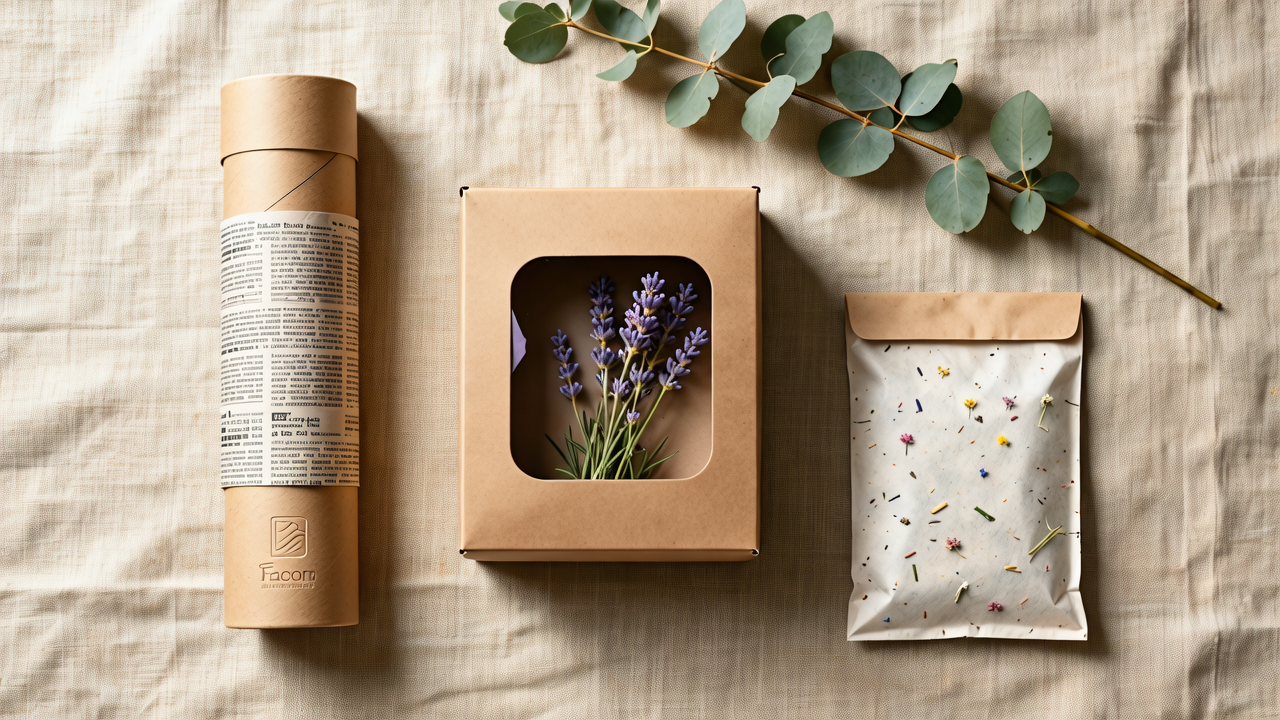
Why Eco-Friendly Packaging Matters
Sustainability isn't just a buzzword — it's a business imperative. With 73% of global consumers willing to change their purchasing habits to reduce environmental impact (Nielsen), your packaging choices directly affect your bottom line.
Understanding Sustainable Materials
Recycled Paperboard: Made from post-consumer waste, recycled paperboard reduces the need for virgin materials and diverts waste from landfills. Available in various grades from greyboard to premium white-coated options.
FSC-Certified Paper: The Forest Stewardship Council (FSC) certification ensures that paper comes from responsibly managed forests. This is the gold standard for brands making environmental claims.
Kraft Paper: Unbleached kraft paper is naturally biodegradable and recyclable. Its raw, earthy aesthetic has become a design statement in itself.
Certifications to Look For
When sourcing eco-friendly packaging, look for these certifications:
- FSC® (Forest Stewardship Council) — Responsible forestry
- ISO 14001 — Environmental management systems
- RoHS — Restriction of hazardous substances
- REACH compliant — EU chemical safety regulation
Cost Considerations
Eco-friendly packaging doesn't have to cost more. In many cases, switching to recycled materials or simplified designs can actually reduce costs. The key is working with a manufacturer who can optimize both sustainability and cost-efficiency.
XINJUYA's Commitment
Our manufacturing facility uses 85% recycled materials, soy-based inks, and zero-waste production processes. We're FSC® chain-of-custody certified and can help you navigate the certification requirements for your target markets.